

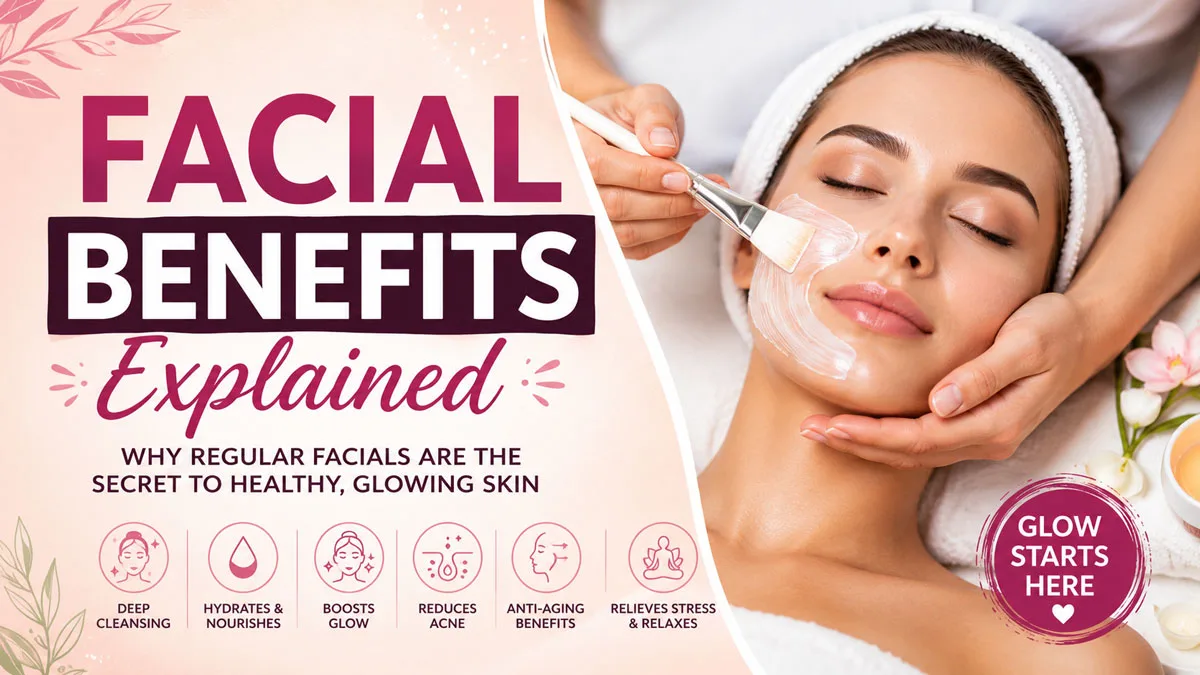
Beautiful skin isn’t just about genetics—it’s the result of consistent care, healthy habits, and the right skincare routine. While cleansing, moisturizing, and applying sunscreen are essential daily practices, professional facial treatments can take your skincare to the next level.
Many people think facials are simply a luxury spa service. In reality, they are professional skincare treatments designed to improve your skin’s health, prevent common skin concerns, and enhance your natural glow.
Whether you struggle with acne, dryness, uneven skin tone, fine lines, or simply want healthier-looking skin, regular facials can become one of the most valuable investments in your skincare journey.
In this comprehensive guide, we’ll explain everything you need to know about facial benefits, how facials work, and why skincare experts recommend including them in your routine.
What Is a Facial?
A facial is a professional skincare treatment that cleanses, exfoliates, hydrates, nourishes, and revitalizes the skin. Depending on your skin type and concerns, a facial may include:
- Skin analysis
- Deep cleansing
- Steam treatment
- Exfoliation
- Blackhead extraction
- Facial massage
- Face mask
- Serums
- Moisturizer
- Sunscreen application
Professional estheticians customize each facial to meet your skin’s unique needs, making the treatment more effective than at-home skincare alone.
Why Are Regular Facials Important?
Your skin faces daily exposure to pollution, UV rays, dust, sweat, makeup, and environmental toxins. Even with a consistent skincare routine, impurities can accumulate beneath the skin’s surface.
Regular facials help remove this buildup while supporting your skin’s natural renewal process. They also allow skincare professionals to identify concerns early and recommend products or treatments tailored to your skin.
15 Amazing Facial Benefits
1. Deep Cleanses the Skin
A facial provides a much deeper cleanse than regular face washing.
Professional cleansing removes dirt, oil, bacteria, makeup residue, and environmental pollutants trapped inside your pores.
Deep cleansing leaves your skin feeling fresh, clean, and healthier.
2. Unclogs Pores
Clogged pores often lead to blackheads, whiteheads, and acne.
During a facial, extractions safely remove impurities without damaging the skin, allowing pores to breathe naturally.
3. Removes Dead Skin Cells
Dead skin cells accumulate naturally over time.
Professional exfoliation reveals fresh skin underneath, creating a smoother texture and brighter complexion.
Benefits include:
- Softer skin
- Improved texture
- Better product absorption
- Increased radiance
4. Hydrates Dry Skin
Hydration is essential for healthy skin.
Professional facial treatments use nourishing masks and serums packed with ingredients like hyaluronic acid, aloe vera, vitamins, and antioxidants.
Well-hydrated skin appears:
- Plumper
- Healthier
- More youthful
- Naturally radiant
5. Gives Your Skin a Natural Glow
One of the most noticeable facial benefits is glowing skin.
Improved circulation, hydration, and exfoliation work together to create a fresh, luminous complexion that makeup alone cannot replicate.
6. Helps Prevent Acne
Acne develops when oil, bacteria, and dead skin clog pores.
Regular facial treatments reduce these contributing factors through professional cleansing and targeted skincare products.
Although facials are not a cure for severe acne, they can become an important part of an acne management routine.
7. Reduces Fine Lines and Wrinkles
As collagen production slows with age, skin gradually loses firmness.
Many anti-aging facials include massage techniques and collagen-supporting ingredients that improve elasticity and reduce the appearance of fine lines.
Consistent treatments can help maintain a smoother, younger-looking complexion.
8. Improves Blood Circulation
Facial massage stimulates blood flow beneath the skin.
Improved circulation delivers oxygen and nutrients to skin cells, supporting healthy regeneration and giving your face a healthy glow.
9. Promotes Lymphatic Drainage
The lymphatic system removes excess fluids and waste from the body.
Gentle facial massage encourages lymphatic drainage, reducing puffiness and helping the face appear more sculpted and refreshed.
10. Improves Skin Tone
Sun exposure, acne scars, and environmental stress can cause uneven skin tone.
Professional facials help brighten dull areas while promoting a more balanced complexion over time.
11. Helps Fade Acne Marks
Some facial treatments contain brightening ingredients like Vitamin C and niacinamide that gradually reduce post-acne marks and discoloration.
Patience and consistency are key to achieving visible improvements.
12. Boosts Skincare Product Absorption
After deep cleansing and exfoliation, skincare products penetrate more effectively.
This means your serums, moisturizers, and treatments work better because they can reach healthier skin layers.
13. Relieves Stress
A facial isn’t only beneficial for your skin—it also promotes relaxation.
The soothing environment, gentle massage, calming aromas, and peaceful atmosphere reduce stress while providing valuable self-care.
Stress reduction can even support healthier skin by lowering stress-related flare-ups.
14. Prepares Your Skin for Special Events
Planning a wedding, engagement, graduation, birthday, or photoshoot?
Scheduling regular facials several weeks before your event helps create smoother, healthier skin that photographs beautifully.
15. Builds Long-Term Skin Health
The greatest benefit of regular facials isn’t immediate glow—it’s healthier skin over time.
Professional treatments combined with a consistent home routine can help maintain youthful, balanced, and resilient skin for years.
Different Types of Facial Treatments
Choosing the right facial depends on your skin type and concerns.
Hydrating Facial
Ideal for dry or dehydrated skin.
Deep Cleansing Facial
Best for oily and acne-prone skin.
Brightening Facial
Targets dullness and uneven skin tone.
Anti-Aging Facial
Focuses on fine lines and skin firmness.
Sensitive Skin Facial
Uses gentle products to calm irritation.
Vitamin Facial
Nourishes skin with antioxidant-rich ingredients.
Oxygen Facial
Helps refresh tired-looking skin with oxygen-based treatments.
How Often Should You Get a Facial?
Most skincare professionals recommend getting a facial every 4 to 6 weeks.
This schedule aligns with your skin’s natural renewal cycle and helps maintain consistent improvements.
People with acne or specific skin concerns may benefit from a customized treatment plan recommended by a licensed skincare professional.
Who Can Benefit from Facials?
Facials are suitable for almost everyone, including people with:
- Dry skin
- Oily skin
- Combination skin
- Acne-prone skin
- Mature skin
- Sensitive skin
- Dull complexion
- Uneven skin tone
A professional skin analysis ensures your facial is tailored to your needs.
Tips for Maintaining Healthy Skin After a Facial
To extend your results:
- Drink plenty of water.
- Apply sunscreen every day.
- Avoid harsh exfoliants for 48 hours.
- Follow a consistent skincare routine.
- Clean makeup brushes regularly.
- Eat a balanced diet rich in fruits and vegetables.
- Get enough sleep each night.
- Avoid touching your face frequently.
Common Facial Myths
Myth: Facials Are Only for Women
False.
Healthy skin is important for everyone, regardless of gender.
Myth: One Facial Solves Every Skin Problem
False.
Healthy skin requires consistency, proper home care, and realistic expectations.
Myth: Facials Damage the Skin
False.
When performed by trained professionals using appropriate products, facials support skin health rather than harming it.
Frequently Asked Questions (FAQs)
Are facials good for your skin?
Yes. Professional facials deeply cleanse, exfoliate, hydrate, and nourish the skin while helping maintain a healthy complexion.
How often should I get a facial?
Most people benefit from a facial every 4–6 weeks, although the ideal schedule depends on your skin type and goals.
Can facials help with acne?
Facials can reduce clogged pores, excess oil, and dead skin buildup, making them a helpful part of an acne care routine. Severe acne should be evaluated by a dermatologist.
Do facials help reduce wrinkles?
Regular facials can improve hydration and skin texture while minimizing the appearance of fine lines. Results vary based on age, skin condition, and the type of treatment.
Is there any downtime after a facial?
Most basic facials require little to no downtime. Some treatments may cause temporary redness that typically fades within a few hours.
Can people with sensitive skin get facials?
Yes. A trained skincare professional can select gentle products and techniques specifically designed for sensitive skin.
What should I avoid after a facial?
Avoid excessive sun exposure, harsh exfoliants, heavy makeup for several hours (if advised), and touching your face unnecessarily. Follow any aftercare instructions provided by your skincare professional.
Professional facials are much more than a relaxing spa experience. They provide deep cleansing, hydration, exfoliation, improved circulation, and customized care that supports healthier skin over time. While one treatment can leave your skin looking refreshed, consistent facials paired with a daily skincare routine deliver the best long-term results.
Remember that every person’s skin is unique. Working with a qualified skincare professional can help you choose treatments that match your skin type, concerns, and goals. Combined with healthy lifestyle habits—such as wearing sunscreen, staying hydrated, eating a balanced diet, and getting enough sleep—regular facials can help you maintain a radiant, confident complexion for years to come.
Whether your goal is clearer skin, a brighter complexion, improved hydration, or simply a relaxing self-care ritual, investing in professional facial treatments is a valuable step toward healthier, glowing skin.